

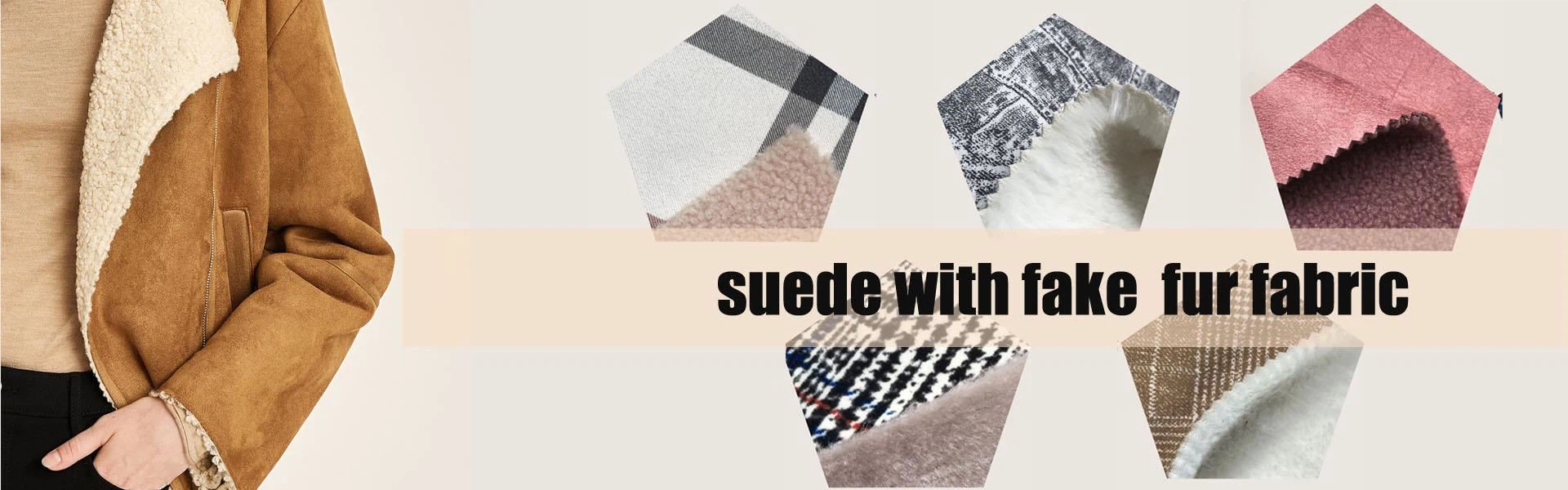
Velour Fabric
What is velour fabric
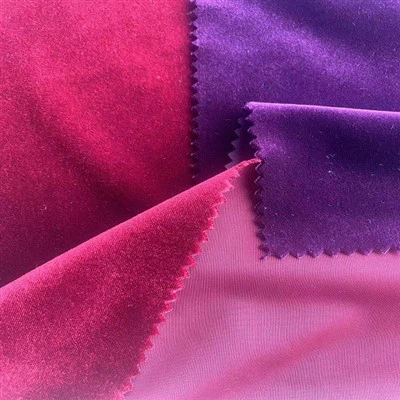
Velour fabric is a luxurious and soft textile. It has a plush, velvet-like texture that is both inviting and stylish. Velour is typically made from cotton, polyester, or a blend of these materials.
This fabric is known for its comfort and warmth. It has a smooth surface with a slight sheen, giving it an elegant look. Velour is often used in clothing, such as tracksuits, dresses, and jackets. It is also popular for upholstery, adding a touch of opulence to furniture.
Velour is relatively durable and can withstand regular use. However, it may require special care when cleaning to maintain its softness and appearance. Overall, velour fabric is a versatile and indulgent choice for those seeking comfort and style.



What are the Applications of Velour Fabric
Velvet fabric, also known as velvet fabric, has a wide range of applications due to its unique properties.

Apparel Industry
Fashionable Apparel: Velvet is often used to produce fashionable dresses, shirts, and skirts. Its soft texture and luxurious look add an element of elegance and sophistication to clothing.
Activewear: Some velvet fabrics are designed for comfort and flexibility, making them suitable for activewear and active lifestyle clothing.
Sleepwear and Loungewear: Velvet is a popular choice for cozy and warm sleepwear and loungewear. It provides a warm and soft touch.
Home Furnishings
Interior Decor: Velvet fabric is used to upholster furniture such as sofas, chairs, and ottomans. It adds a rich and inviting look to interior decor.
Curtains and Valances: Velvet curtains add a touch of luxury and can help isolate a room by blocking light and reducing noise.
Bedding: Velvet sheets and pillowcases provide a soft and comfortable sleeping surface.


Accessories
Handbags and Purses: Velvet can be used to create stylish handbags and purses that are both durable and fashionable.
Hats and Scarves: Velvet accessories, such as hats and scarves, add a touch of warmth and style during the colder months.
Pet Products: Velvet is sometimes used in pet beds and blankets to provide comfort to your furry friends.
Entertainment and Events
Stage Costumes: In the entertainment industry, velvet is often used in stage costumes for its bright colors and luxurious look.
Event Decor: Velvet fabric can be used for tablecloths, chair coverings, and backdrops at special events and weddings to create an elegant atmosphere.

Types of Velour Fabric
There are several main types of velvet fabrics, each with its own unique properties and uses.
Cotton Velour
Made from natural cotton fibers, cotton velour is soft, breathable, and comfortable. It is often used in clothing for babies and children as it is gentle on the skin. Cotton velour is also popular for making bathrobes and towels due to its absorbent properties.
Polyester Velour
Polyester velour is a synthetic fabric that is known for its durability and resistance to wrinkling. It is often used in upholstery and home decor as it can withstand regular use and is easy to clean.
Silk Velour
Silk velour is a luxurious fabric made from silk fibers. It has a soft and smooth texture with a subtle sheen. Silk velour is often used in high-end fashion and evening wear as it adds an elegant and sophisticated touch.
Velvetine Velour
Velvetine velour is a blend of different fibers, usually including polyester and cotton. It has a similar look and feel to traditional velvet but is more affordable and easier to care for.
Maintenance Tips for Velour Fabric
Velour fabric is soft, luxurious, and requires proper maintenance to keep it looking its best. Here are some maintenance tips for velour fabric:
Cleaning
Spot clean immediately: As soon as you notice a stain on velour fabric, gently blot the area with a clean, damp cloth. Avoid rubbing vigorously as this can damage the fabric.
Use a mild detergent: When it's time for a more thorough cleaning, use a mild detergent specifically designed for delicate fabrics. Avoid harsh chemicals or bleach as they can cause discoloration and damage.
Hand wash or dry clean: Depending on the care instructions, you can either hand wash velour fabric or take it to a professional dry cleaner. If hand washing, be gentle and rinse thoroughly to remove all detergent.
Avoid machine washing: In genral, it's best to avoid machine washing velour fabric as it can cause shrinkage, fading, and damage to te pile.
Drying
Air dry: After cleaning, lay the velour fabric flat on a clean towel and allow it to air dry naturally. Avoid hanging it as this can stretch the fabric and distort its shape.
Do not tumble dry: Tumble drying velour fabric can cause shrinkage and damage to the pile. If you need to speed up the drying process, you can use a fan or a hairdryer on a low setting.
Storage
Store in a cool, dry place: When not in use, store velour fabric in a cool, dry place away from direct sunlight and heat sources. This will help prevent fading and damage.
Use a breathable cover:To protect velour fabric from dust and dirt, store it in a breathable cover such as a cotton sheet or a garment bag.
Avoid folding or crushing: Try to store velour fabric in a way that minimizes folding or crushing. Hanging it on a padded hanger or laying it flat on a shelf is a good option.
General Care
Brush gently:To keep the pile of velour fabric looking smooth and plush, gently brush it with a soft-bristled brush in the direction of the nap. This will remove any dust or debris and help restore the fabric's appearance.
Avoid sharp objects: Be careful when handling velour fabric around sharp objects such as zippers, buttons, or jewelry. These can snag the fabric and cause damage.
Rotate use: If you have multiple items made of velour fabric, rotate their use to prevent excessive wear and tear on any one piece.
FAQ
Q: Is velvet and velour the same thing?
Q: Is velour fabric expensive?
Q: Is velour fabric good for summer
Q: How can you tell velour from velvet
Q: Does velour fray when cut
Q: What happens if velour gets wet
Q: Does velour get dirty easily
Q: Does velour shrink in the dryer
Q: Can you put velour in the dryer
Q: Does velour get ruined in the rain
We're one of the leading velour fabric manufacturers and suppliers in China, mainly engaged in wholesale service. Welcome to wholesale quality velour fabric from our factory now.
